
Sculpting Moral Courage: Thaddeus Stevens Then and Now
Updated: Jan 24

This quote cuts because it’s honest—and because it’s timeless.
When Thaddeus Stevens was eulogized in 1868, Minnesota Congressman Ignatius Loyola Donnelly wasn’t offering polite praise. He was naming a force of nature. Stevens did not negotiate with injustice. He confronted it head-on, knowing full well that truth spoken plainly would provoke outrage, resistance, and personal attack. And still—he marched forward.
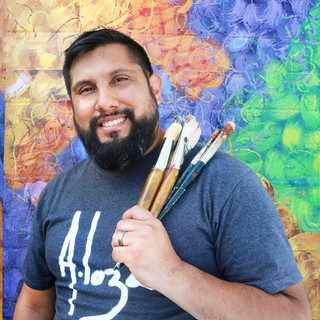
I felt that truth more than 150 years later in my studio. Back in 2019, while the world was unraveling—amid a pandemic, political division, and a national reckoning with truth and power—I was sculpting Stevens in clay. Day after day. Night after night. Hands covered in oil-based clay, shaping a man who had lived through his own era of fracture and moral crisis. It was impossible not to feel the parallels.
Clay is intimate. You’re inches away from a face for months. You study every tension in the brow, every hesitation in the mouth, every ounce of resolve carried in posture. You don’t just sculpt likeness—you wrestle with character. And Stevens’ character was unmistakable: uncompromising, weary, defiant, and utterly committed to justice, even when it made him enemies.
What struck me then—and still strikes me now—is how contemporary he feels.

Today, we are again living in a moment where prejudice is emboldened, cruelty is reframed as policy, and truth is treated as an inconvenience rather than a duty. The noise is louder now, the platforms bigger—but the pattern is familiar. Those who challenge injustice are labeled divisive. Those who insist on dignity for all are told to soften, to wait, to fall in line.
Stevens never did. He understood that progress is not achieved by calming bigotry, but by exhausting it—by dragging it into the harbor of truth. That kind of courage leaves scars. It costs comfort, safety, and approval. But it bends the moral arc of a nation.
Public monuments like Stevens exist for moments like this. They are not decorations. They are anchors. They remind us who paid the price before us, and they quietly ask whether we are willing to do the same. Standing before Stevens’ bronze, you’re not just looking at a man from the past—you’re being confronted by a standard forged in fire.
As an artist, shaping him first in clay during one of the most turbulent periods of our own time, and then casting that resolve into bronze, was both an honor and a responsibility. To make conviction permanent. To let metal say what power often refuses to: that justice is not polite, truth is not neutral, and progress has always required people brave enough to walk straight into the storm.
Stevens did. And the question he leaves us with—then and now—is simple: WILL WE?

